 |
 |
 |
 |
|
 |
|
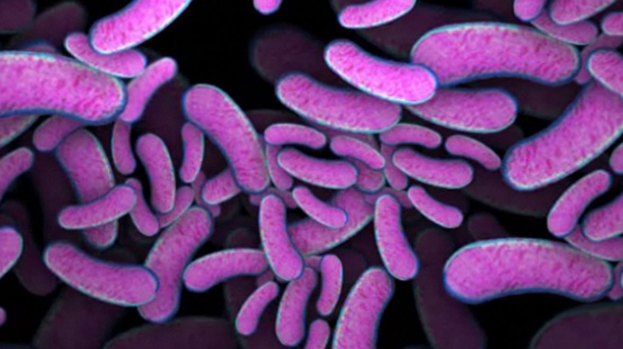
Clostridium botulinum |
|||||||||||||||
|
Characteristics
Shape and Size
Rod-shaped and
Genome Information
Clostridium botulinum A str. ATCC 3502: RefSeq NC_009495.1, circular DNA, Size 3.89 Mb,GC% 28.2, Protein 3,563, rRNA 27, tRNA 80,Other RNA 7, Gene 3,767, Pseudogene 81 https://www.ncbi.nlm.nih.gov/genome/?term=Clostridium+botulinum
Food Source
Home-canned foods with a low acid content, improperly canned commercial foods, home-canned or fermented fish, herb-infused oils, baked potatoes in aluminum foil, cheese sauce, bottled garlic, foods held warm for extended periods of time
Pathological Factor
Botulism is a neuroparalytic illness caused by the action of a heat-labile neurotoxin elaborated by Clostridium botulinum. Botulism in adults typically results from ingestion of preformed toxin in contaminated food, whereas in botulism in infants and in wound botulism, the neurotoxin is produced in vivo after multiplication of C. botulinum in the intestinal tract or infected wound, respectively.
Disease
Botulism
Symptoms
Symptoms include impaired vision and widespread muscular weakness or paralysis in botulism
Affected Body Organs
whole body
|
||||||||||||||||
|
||||||||||||||||