 |
 |
 |
 |
|
 |
|
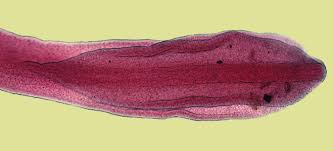
Diphyllobothrium nihonkaiense |
|||||||||||||||||
|
Characteristics
Shape and Size
adult worms are 3-10 metres in length.
Genome Information
whole genome not resolved
Food Source
consumption of raw or poorly cooked fish. pickled fish.
Pathological Factor
when a human eats the infected fish raw or undercooked the plerocercoid larvae develop into adults in the small intestine. The adults attach to the intestinal mucosa with two shallow, bilateral grooves (bothria) of their scolex. As proglottids mature, they release eggs and eventually break off from the body.
Disease
Diphyllobothriasis
Symptoms
diarrhea, fatigue, stomach cramps and pain, chronic hunger or lack of appetite, unintended weight loss, weakness
Affected Body Organs
intestines, blood
|
||||||||||||||||||
|
||||||||||||||||||