 |
 |
 |
 |
|
 |
|
Paragonimus westermani |
|||||||||||||||
|
Characteristics
Shape and Size
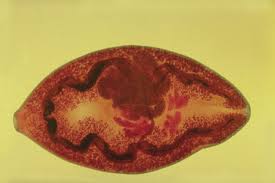
In size, shape, and color resembles a coffee bean when alive. Adult worms are 7.5 mm to 12 mm long and 4 mm to 6 mm wide
Genome Information
whole genome not resolved
Food Source
ingestion of raw or undercooked freshwater crabs crayfishes or other crustaceans
Pathological Factor
When humans ingest raw infected crustaceans, larval flukes develop in the small intestine and penetrate the intestinal wall into the peritoneal cavity 30 minutes to 48 hours after excysting. They then migrate into the abdominal wall or liver, where they undergo further development. Approximately 1 week later, adult flukes reenter from the abdominal cavity and penetrate the diaphragm to reach the pleural space and lungs. The eggs may then be expectorated or swallowed. If these eggs reach a water source, the life cycle will start over again. Flukes mature, a fibrous cyst wall develops around them, and then egg deposition starts 5-6 weeks after infection.
Disease
Paragonimiasis
Symptoms
Fever, malaise, Diarrhea, Belly pain, Itching and hives, Symptoms of long-term infection may mimic bronchitis or tuberculosis, with coughing up of blood-tinged sputum.
Affected Body Organs
gastrointestinal organs, lungs, CNS
|
||||||||||||||||
|
||||||||||||||||