 |
 |
 |
 |
|
 |
|
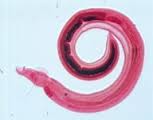
Schistosoma japonicum |
|||||||||||||||
|
Characteristics
Shape and Size
males are 1.2 cm by 0.5 mm. females measure 2 cm by 0.4 mm.
Genome Information
Schistosoma japonicum isolate Anhui, linear DNA, Size 402.74 Mb, GC% 34.1 https://www.ncbi.nlm.nih.gov/nuccore/226693070
Food Source
contaminated food
Pathological Factor
Acute schistosomiasis (Katayama syndrome) is a systemic, serum sickness-like illness that develops after several weeks in some, but not most, individuals with new schistosomal infections. It may correspond to the first cycle of egg deposition and is associated with marked peripheral eosinophilia and circulating immune complexes. It is most common with S japonicum and S mansoni infections and is most likely to occur in heavily infected individuals after primary infection.
Disease
acute schistosomiasis, Urinary schistosomiasis
Symptoms
fever, headache, generalized myalgia, abdominal pain, vertigo, vomiting, bloody diarrhea, and fatigue, dysuria, hematuria ,proteinuria, calcification in the bladder, obstruction of the ureter, renal colic, hydronephrosis, and renal failure
Affected Body Organs
circulatory system, kidneys, gastro intestinal organs
|
||||||||||||||||
|
||||||||||||||||