 |
 |
 |
 |
|
 |
|
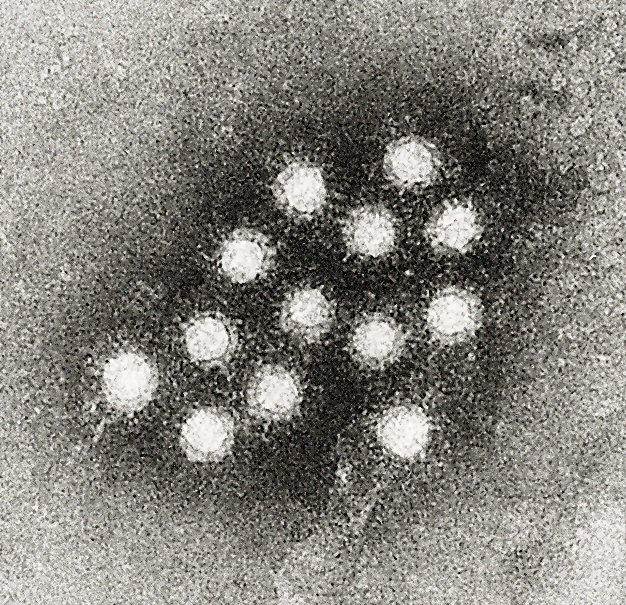
Hepatitis A virus |
|||||||||||
|
Characteristics
Shape and Size
27-32 nm,spherical,
Genome Information
Hepatitis A virus is a positive-strand viruses ( GI:-9626732) has a 7478 bp single stranded linear RNA.The genome structure consists of 3 genes and 1 proteins, and has other 1 RNA The GC content of Hepatitis A virus is about 37.9 %.
Food Source
Frozen berries,fish and seafood products (crustaceans, shellfish, molluscs,sandwiches, vegetables, juices, semi-dried tomatoes,Meat and Meat Products
Fish and Fish Products
Water and Beverages bakery products Milk and Milk Products
Soft Cheeses
Fish and Fish Products
Fruits and Vegetables
Water and Beverages
Delicatessen
Pathological Factor
Usaually infected by direct ingestion of contaminated food.After ingestion and uptake from the gastrointestinal tract, the virus replicates in the liver and is excreted into the bile. Cellular immune responses to the virus lead to destruction of infected hepatocytes with consequent development of symptoms and signs of disease.virus, developed an illness with the characteristics of a sporadic case of epidemic jaundice.
Disease
acute hepatitis
Symptoms
Loss of appetite, fever, malaise, abdominal discomfort, nausea and vomiting, followed
by symptoms of liver damage (passage of dark urine, pale stools, jaundice).,Jaundice,Fatigue
Affected Body Organs
liver, gall bladder
|
||||||||||||
|
||||||||||||