 |
 |
 |
 |
|
 |
|
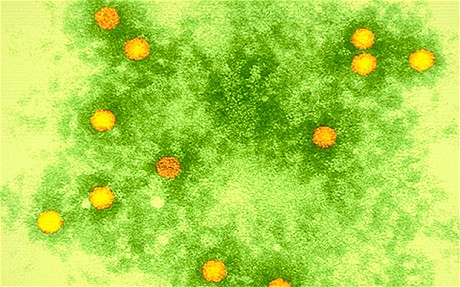
Poliovirus |
|||||||||||||
|
Characteristics
Shape and Size
27-30 nm ,Icosahedral
Genome Information
Poliovirus is a positive-stranded enterovirus viruses ( GI:-12408699) has a 7440 bp single stranded linear RNA.The genome structure consists of 1 genes and 1 proteins, and has other 4 RNA The GC content of Poliovirus is about 46.3 %.
Food Source
milk,youghurt,,spinach,green oninion ,white cabbage,fresh rasberries.
Pathological Factor
After ingestion, poliovirus must bind to and enter cells via its cellular receptor, CD155 (also called PVR, for poliovirus receptor), which is a major susceptibility factor
Disease
poliomyelitis. Gastroenteritis
Symptoms
Muscle pain, developing n abortive mild febrile illness,headache, red and sore throat, malaise, slight fever, and vomiting.
Affected Body Organs
CNS, gastro intestinal organs
|
||||||||||||||
|
||||||||||||||