 |
 |
 |
 |
|
 |
|
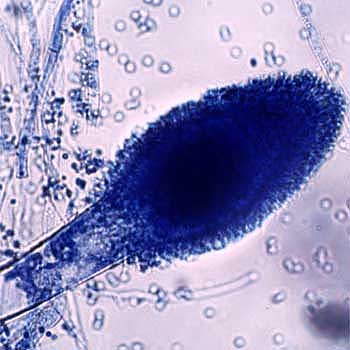
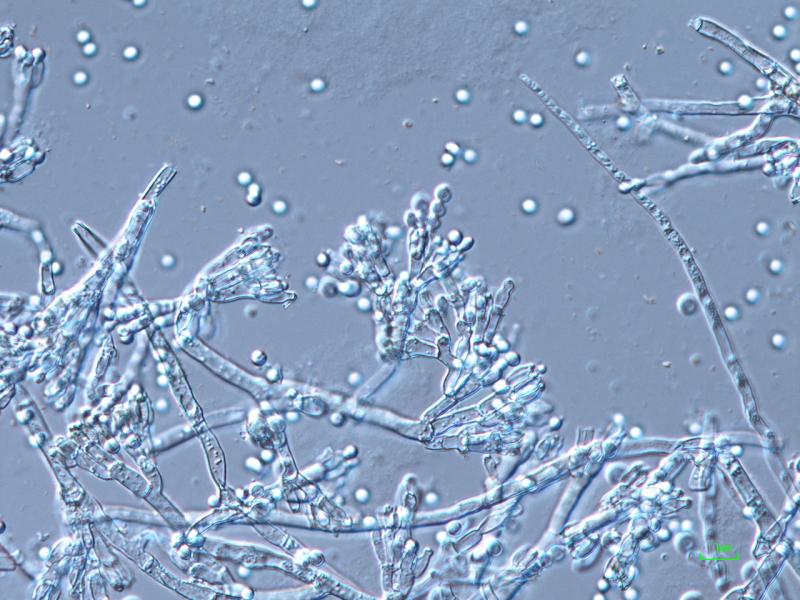
Penicillium expansum |
|||||||||||||||||
|
Characteristics
Shape and Size
cylindrical shape,16-34 mm diameter colony growth
Genome Information
Penicillium expansum strain MD-8, linear DNA, GenBank: JQFZ00000000.1, Size 32.36, GC% 47.5, Protein 11,060, Gene 11,060 https://www.ncbi.nlm.nih.gov/nuccore/JQFZ00000000.1
Food Source
stored apples
Pathological Factor
Penicillium as a Toxigenic Mould.Recognition of citrinin, patulin and griseofulvin as toxic antibiotics or mycotoxins. Retrospectively, over 120 metabolites from common moulds were demonstrably toxic to higher animals. Growth of mould does not always mean production of toxin. Most toxins can be placed in two broad groups: those that affect liver and kidney function and those that are neurotoxins. ochratoxin A, citrinin and patulin can be produced by Penicillium moulds (food poisoning).
Disease
atulin is found mainly in low quality apples diverted to production of apple by-products. This toxin is an unsaturated heterocyclic lactone and it is highly stable in acidic conditions, such as those found in apple-based products.
Symptoms
neurotoxic, immunotoxic and gastrointestinal effects
Affected Body Organs
CNS, gastrointestinal organs
|
||||||||||||||||||
|
||||||||||||||||||